Resources:
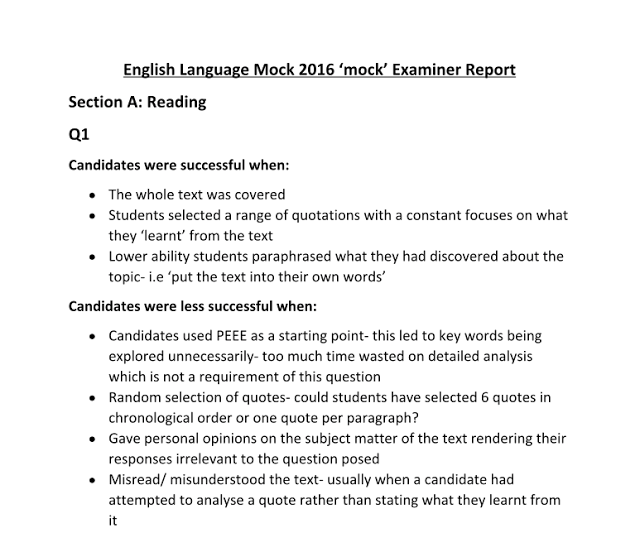
DIRT- what is it? Student exercise books/work marked to a high level with challenging questions, comments and support to guide them to improve their work.
It’s also a great idea to have a slide on your display board/a poster/laminated document explaining what DIRT stands for –
- Directed/dedicated
- Improvement/Independent
- Reflection
- Time
 |
| Guest post by www.twitter.com/franloxley |
How it works:
DIRT is a great way for students to act upon the feedback that you have given as their teacher.
DIRT allows students to reflect/act upon the comments that have been written, as feedback. Therefore ensuring the feedback is being put to use and is supporting the progress of our students, not for their next piece of work but NOW – today, in their lesson.
‘DIRT lessons’ can take as long as you feel necessary, they can form the starter or for longer pieces of work (controlled assessment?) take the whole lesson.
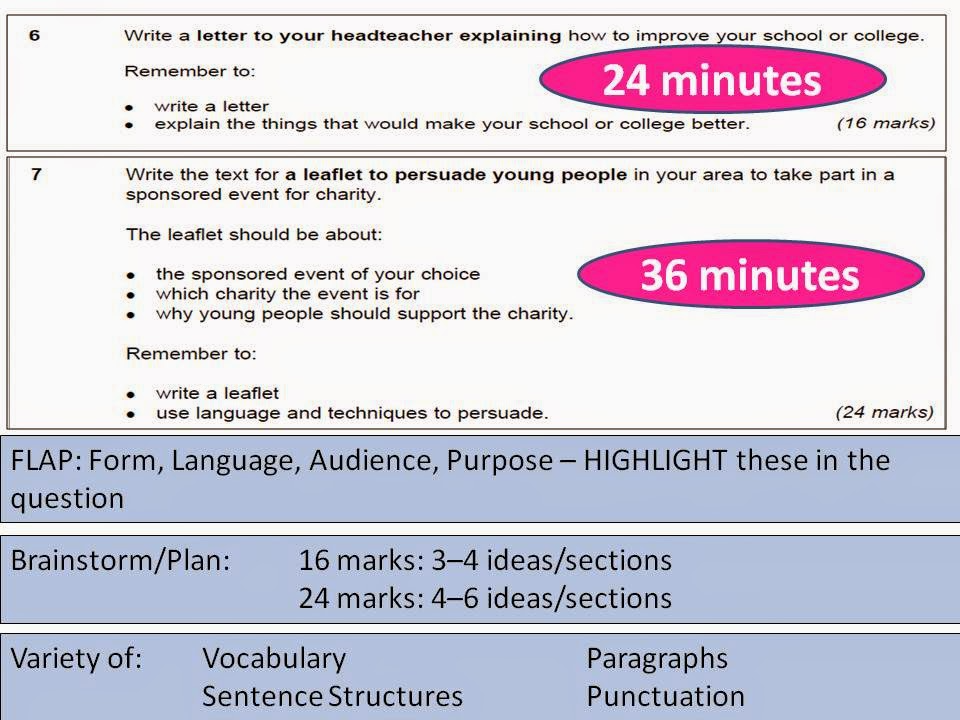
A great way to show progress of your students and a way of them seeing the improvements that they have made, is to get students to complete the ‘DIRT’ work in a different colour.
Variations:
DIRT can be used for peer assessment also – clear, measurable lesson objectives can support students giving peer to peer assessment.
Use the following links for more information:
@LearningSpy- http://www.learningspy.co.uk/assessment/marking-act-love/
@mrshumanities- http://mrshumanities.com/2015/06/27/marking-feedback-and-dirt/
 |
| Images by @CalderstonesLiteracy – http://t.co/yGVuywV6Hu |
 |
| Image by Barry Dunn- https://twitter.com/SeahamRE |
[learn_press_profile]